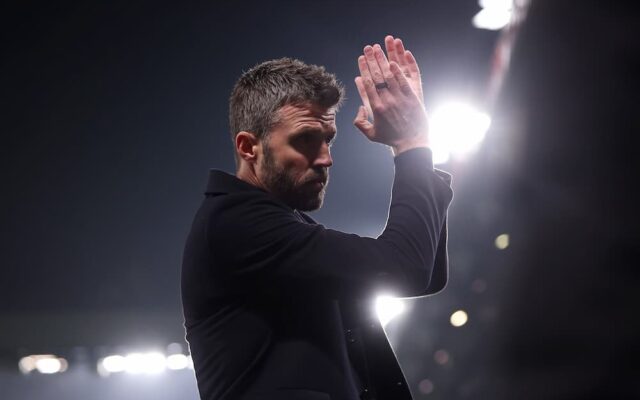
Michael Carrick has officially been sacked as Manchester United’s head coach, bringing an abrupt end to what had initially looked like a promising spell in charge at Old Trafford. With hindsight, emotion appears to have outweighed substance in the decision to appoint him permanently at the end of last season.
United’s hierarchy have wasted little time identifying a replacement, with Mauricio Pochettino now expected to take over at Old Trafford. The Argentine has long been admired by the club, having been considered for the position on several occasions over the past decade, and finally looks set to get the opportunity he’s been waiting such a long time for.
Pochettino’s emergence as the club’s first-choice candidate to replace Carrick came out of the blue this week, but his arrival looks as good as sealed with the expectation that he’ll take charge of training in the lead-up to the Liverpool clash when the break concludes.
United have communicated their intent to the US Soccer Federation to pay the Argentine’s £7 million release clause, and Pochettino is expected to bring with him a sizeable coaching staff to Manchester.
His time with the USA has been a relative success and gone some way in reinvigorating his reputation after somewhat underwhelming stints at Chelsea and PSG. Pochettino guided the team to the knockout stages of the tournament, winning their group and securing a historic victory over Bosnia and Herzegovina in the round of 32, the country’s first knockout-stage win since 2002.
The move would represent a change in direction for Pochettino, who had been entrusted with a long-term project in the United States, but his desire to return to club football, and particularly the Premier League, has never been much of a secret.
Since leaving Tottenham in 2019, Pochettino has experienced rather mixed fortunes. His spell at Paris Saint-Germain brought a Ligue 1 title and a Coupe de France, although he ultimately struggled to deliver the European success expected of any manager with PSG’s budget. His most recent club appointment came at Chelsea, where he inherited a relatively young and disjointed squad, improving the club from a 12th-place finish to sixth in his only season in charge, before departing by mutual agreement.
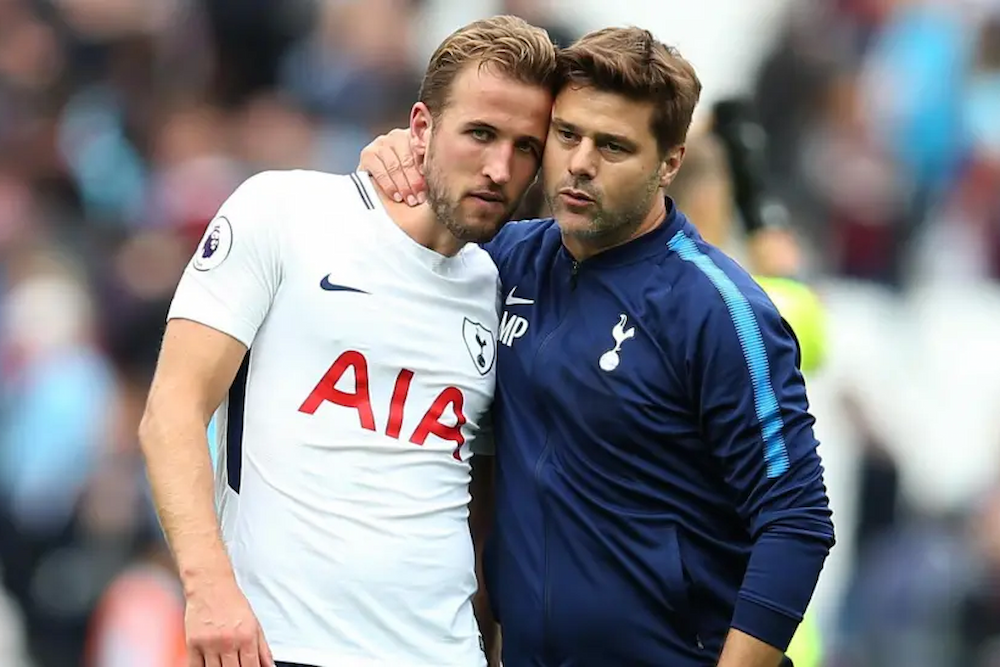
Nevertheless, it is his work at Tottenham that will undoubtedly attract the most attention from United supporters. Renowned for his compassionate approach to man-management, Pochettino’s former players unanimously praise the Argentine for his unique influence on their careers. Harry Kane spoke glowingly this week about the role Pochettino played in developing him into the world-class striker he became, as well as highlighting the guidance he received from United’s prospective next head coach, both on and off the pitch.
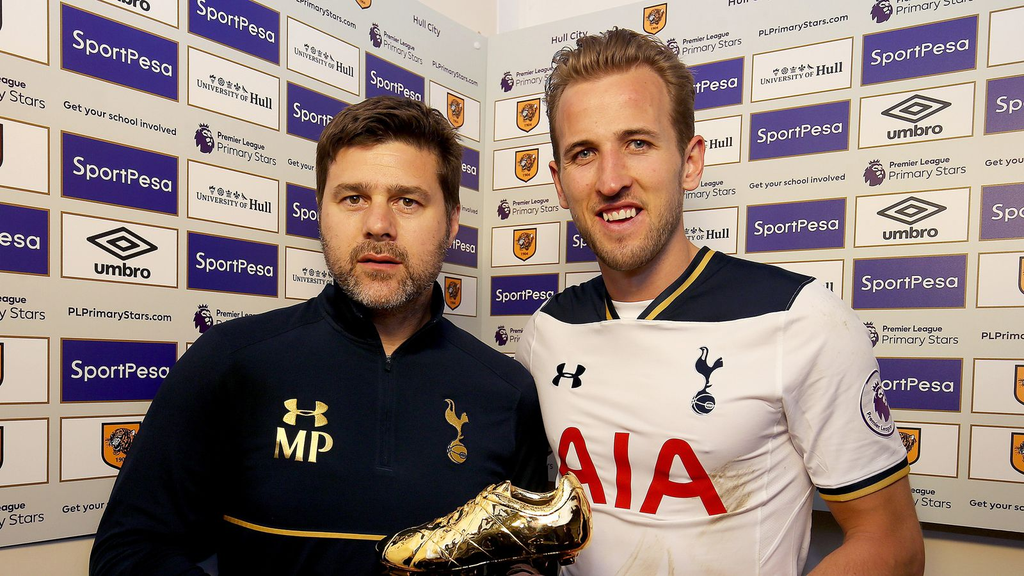
The England captain described Pochettino as an “incredible manager”, and a “great person”, who “took a team that was extremely young and not one of the top teams, to us (Tottenham) having back-to-back title races and a Champions League final”.
For years, Pochettino got a tune out of a Tottenham side subject to neglect and a lack of investment from the club’s ownership, which sounds eerily similar to what he can expect at Manchester United.
Spurs’ net spend from 2014 to 2019 was a measly £63 million, while the remainder of the traditional ‘big six’ Premier League clubs averaged a £467 million net spend across the same period. Yet Pochettino’s side consistently outperformed expectations, finishing in the top four in four consecutive seasons, reaching a Champions League final and mounting two title challenges in 2015/16 and 2016/17.
If there’s one thing he excels at, it’s making the most out of the tools available to him, having demonstrated year upon year at Spurs that he can remain competitive despite a quite frankly shameful lack of investment. Pochettino has a gift for recognising and understanding a player’s developmental needs, and applying the appropriate coaching attention to those needs accordingly.
While he will expect a degree of financial backing to support what is in truth a chaotic mess of a United squad, Pochettino will also be expected to bring the best out of his existing players. It’s worth remembering that just months ago, the core of the squad that worked with Michael Carrick for the second half of the season maintained a points per game pace that exceeded even the eventual Champions in Arsenal.
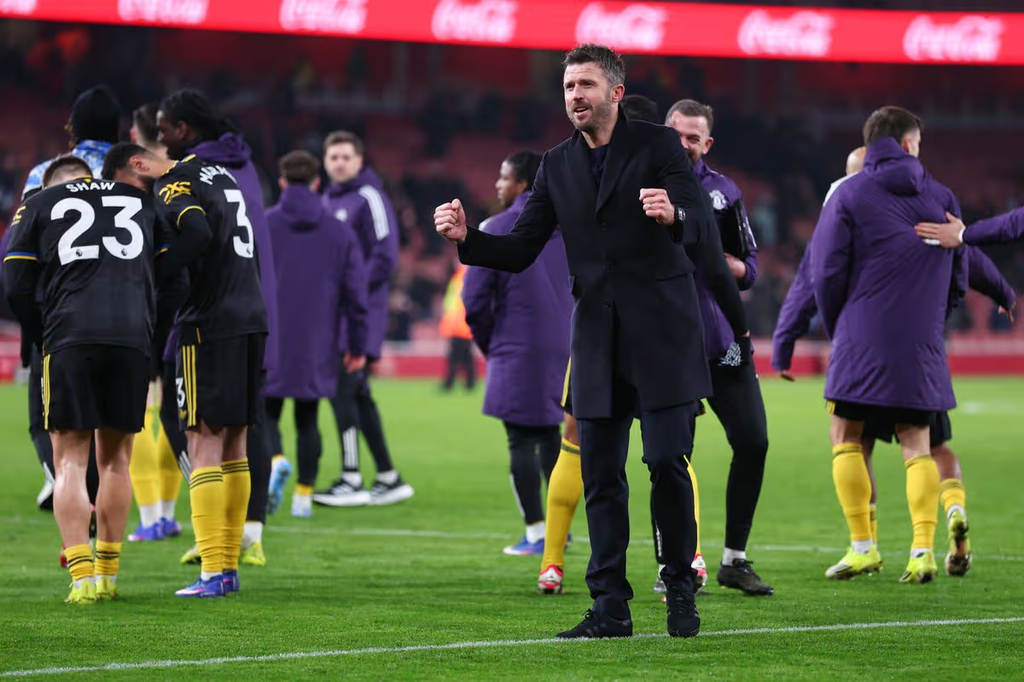
This should give some encouragement to Pochettino that there are significant gains to be found in the existing squad, while recognising that outside recruitment is a must.
So, who are the biggest potential winners in United’s current squad, at least on paper, under Pochettino’s management?
United’s ‘wing-fielders’
A constant in Pochettino’s famously exciting to watch attacking arsenals is the use of narrow forwards, who operate with the support of hyper-aggressive full-backs that provide ‘double width’ high on the flanks, combining with the wingers who tuck more centrally, almost operating as inside forwards.
Under Ruben Amorim, perhaps the one position on the pitch where you could argue he truly maximised the personnel at his disposal was the inside #10 positions, often occupied by Matheus Cunha on the left side and Bryan Mbeumo on the right.
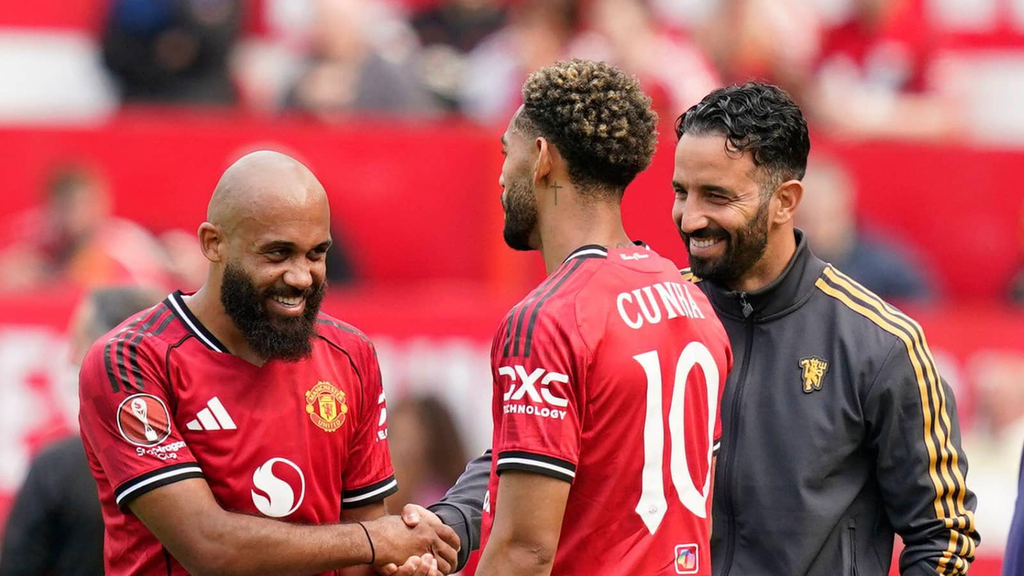
Both Cunha and Mbeumo thrive coming inside from wide areas, aided by full-backs, or under Amorim, wing-backs, who can help to stretch opposition defensive lines. Both, as a result, have struggled relative to their first season at the club under Michael Carrick, who prefers to deploy more traditional wingers, who hug their touchline and rely less on dynamic full-backs who can bomb on and provide relentless overlaps.
Over the years, the likes of Heung-min Son, Cole Palmer and Kylian Mbappe have all enjoyed some of the best form of their respective careers in Pochettino’s setups, when used as narrow forwards. The 54-year-old knows better than most how to platform and maximise his attacking personnel.
During Pochettino’s final full season at PSG, Mbappe registered a staggering 39 goals and 21 assists in 46 appearances across all competitions. His Ligue 1 tally alone saw him rack up 28 goals and 17 assists in 35 appearances that season, averaging more than one goal contribution per game. Son also enjoyed some of the most productive years of his career under the Argentine. In 2016/17, the South Korean registered 21 goals and seven assists in all competitions, establishing himself as one of Tottenham’s most dangerous attacking outlets.
Cole Palmer also saw an explosion in his output during Pochettino’s 2023/24 campaign at Chelsea, as the Englishman scored 22 Premier League goals and registered 11 assists, finishing the season as one of the division’s most productive players. His tendency to drift inside from the right, find pockets of space and operate almost as a second striker is particularly relevant when considering how Pochettino could use Mbeumo.
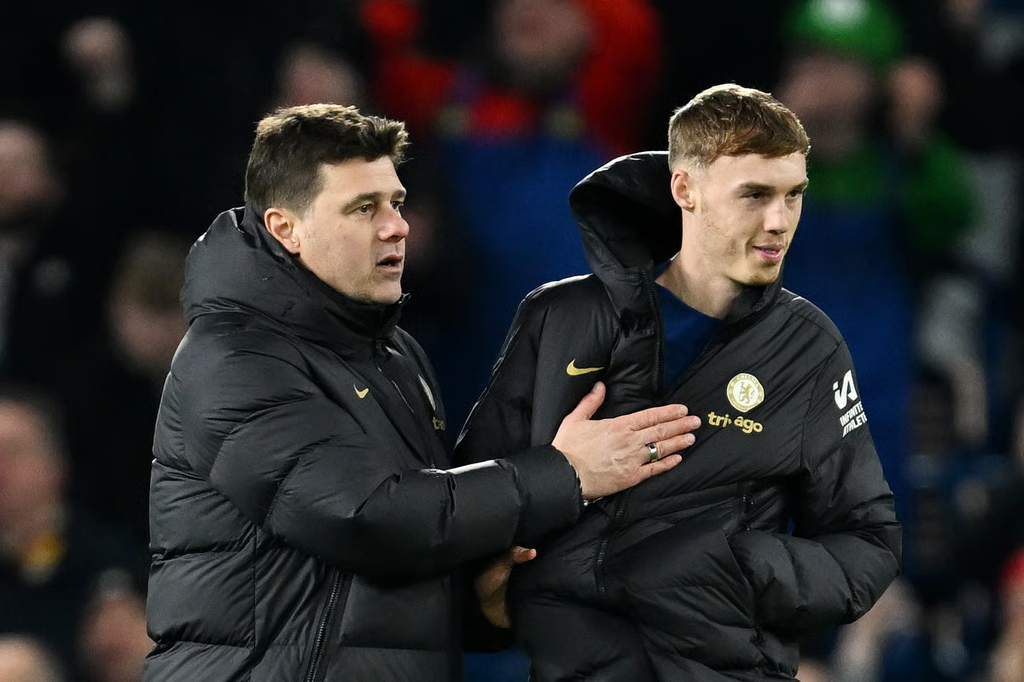
The way Pochettino uses his inside forwards is not too dissimilar from the way Amorim made use of inside #10s during his tumultuous United tenure, and so it would be no surprise if both Mbeumo and Cunha saw an upturn in form and output under the Argentine’s guidance and refreshed attacking setup.
Both are comfortable receiving possession between the opposition’s midfield and defensive lines, where their ability to turn, carry the ball and create something from seemingly little space becomes especially valuable. Rather than being isolated out wide, they would be given greater freedom to drift into central areas, combine with United’s midfielders and threaten the penalty area.
Kobbie Mainoo and Carlos Baleba
Kobbie Mainoo seems to be one of the few Manchester United players who finds a way to thrive in even the most disjointed sides. The academy graduate has continued despite a dysfunctional setup surrounding him to demonstrate why so many believe he has the potential to become one of the best midfielders in English football.
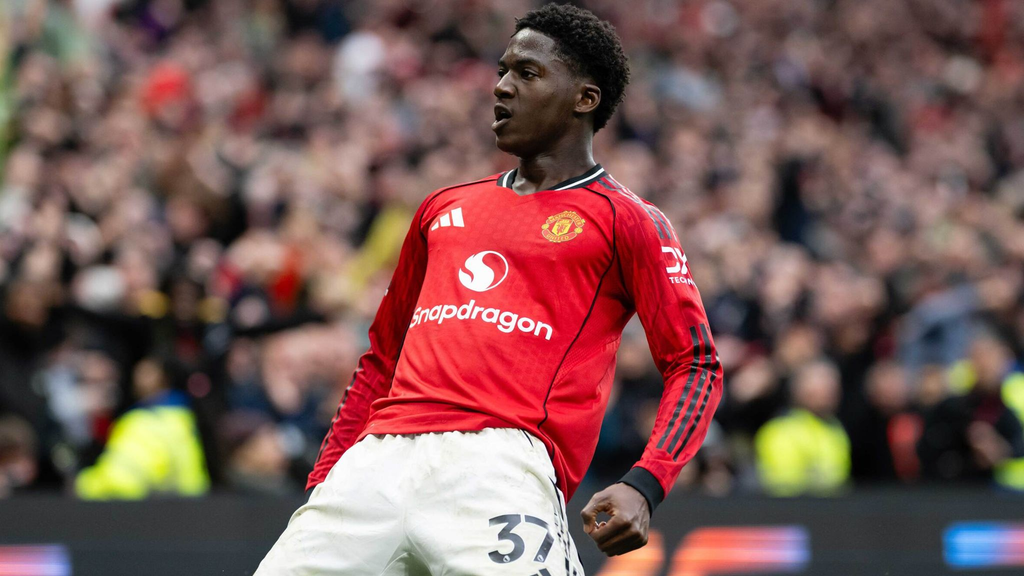
Mousa Dembele was one of the standout beneficiaries of Pochettino’s tutelage, and under the former Spurs boss established himself as one of the best midfielders in England, and arguably in Europe. He’s a player that ex-players and teammates of his speak glowingly about, with many often claiming that the Belgian never quite received the recognition or appreciation he deserved.
He was an elegant midfielder, capable of evading pressure in the midfield like few others. He’s also someone often referenced as a blueprint for Mainoo’s development. The pair share a number of stylistic similarities, from their ball carrying, press resistance, physical gifts and mature disposition, and thus it would be no surprise if Pochettino took a keen liking to United’s academy jewel.
One of the most impressive aspects of Dembele’s game was his ability to dictate the tempo of a match without necessarily being the player who provided the final pass or scored the goals. He could receive possession under pressure, manoeuvre himself out of seemingly impossible situations and carry the ball into dangerous areas, giving his team a platform from which to attack.
These are qualities Mainoo possesses in abundance, but there is still plenty of room for improvement in his game. The 21-year-old has occasionally struggled to impose himself physically over the course of 90 minutes, and although his defensive positioning and ability to influence games without possession have improved recently, both areas still require refinement.
Pochettino has a history of getting the very best out of technically gifted midfielders, particularly those who are comfortable receiving the ball in tight spaces. His demanding approach to training, combined with his emphasis on physical conditioning, could help Mainoo take the next step in his development.
Rather than being restricted to a deeper role, Mainoo could be given the freedom to carry possession forward and support the attacking players, while operating alongside a more defensively disciplined midfielder. Pochettino’s sides often feature two advanced #8s who push high when their team have the ball to form either a 3-1-6 or 3-2-5 shape in possession. Mainoo fits the bill perfectly to be one of those aggressive box-to-box midfielders, while someone with Baleba’s defensive qualities, for example, would likely sit as the single defensive midfielder in United’s rest defence.
The Cameroonian is another player who with some help and guidance could blossom into a force to be reckoned with in the middle of the park. Baleba’s outstanding athletic qualities will no doubt appeal greatly to Pochettino, who made great use of the likes of Moussa Sissoko and Victor Wanyama’s physical gifts in winning duels and covering large amounts of grass.
One could see a partnership forming between Mainoo and Baleba that combines a top-level physical edge with superb ball carrying ability, creativity and forward passing impetus from deep areas, as well as the capability to combine with the attacking line and influence the game in the final third. Their similar age profile, at 21 and 22, means they both have plenty of improvement and malleability in them to be guided and polished as Pochettino sees best fit.
Young defenders
One of Pochettino’s great successes at Spurs was forming a defensive unit that allowed the attacking talent at his disposal to excel. The likes of Toby Alderweireld, Jan Vertonghen, Danny Rose and Kyle Walker became integral members of a side renowned for its defensive organisation, aggressive pressing and ability to defend high up the pitch.
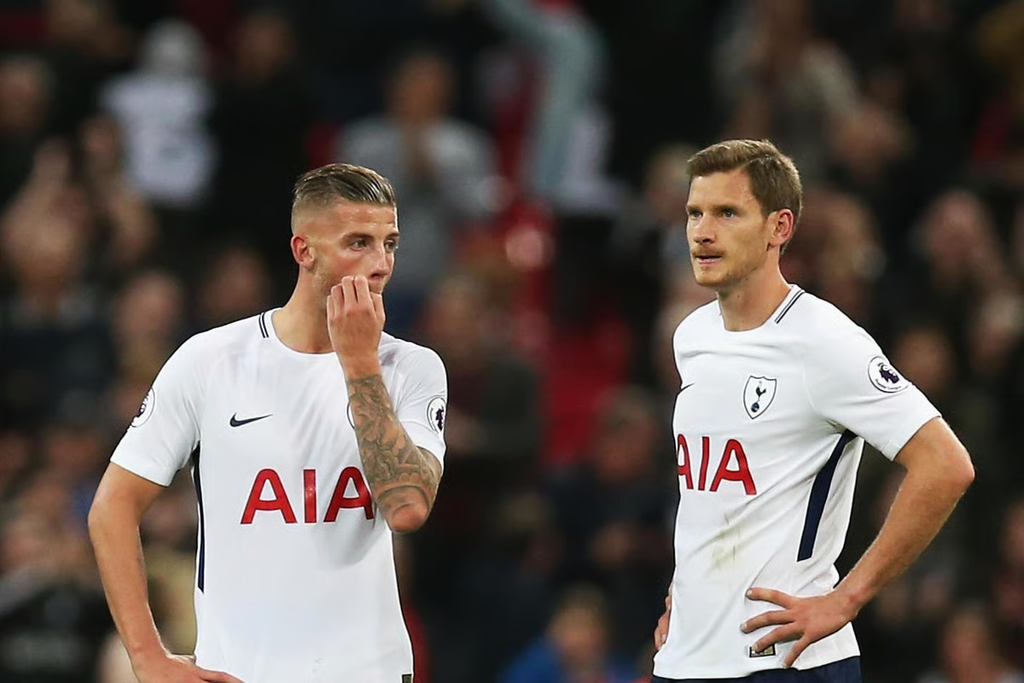
In 2015/16, Spurs conceded just 35 Premier League goals, before improving that figure to an outstanding 26 the following season. It remains a club record for the fewest goals conceded in a Premier League campaign.
Leny Yoro and Ayden Heaven are a pair some have touted to become United’s future long-term centre-back partnership, with both showing great signs of potential, as well as a number of reasons for concern and hesitance in pinning all hopes on them to reach the level United require.
Yoro in particular had garnered a reputation for being one of Europe’s most outstanding defensive prospects prior to his arrival at United, with some going as far as labelling the Frenchman a ‘generational talent’. Real Madrid made no secret of their desire to sign the Lille graduate with a view to turning him into a mainstay of their team.
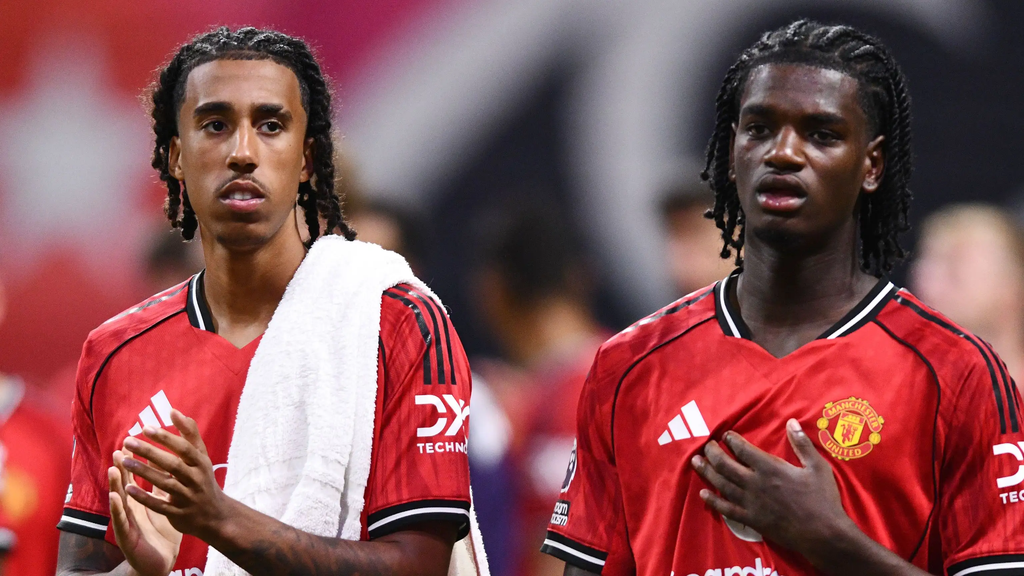
While Yoro has shown moments of extreme promise, he’s also struggled to progress and iron out some of the things stopping him from being viewed as the finished product. His recovery pace and ability to defend one-on-one situations are impressive, but his body positioning, decision making and technical execution all leave something to be desired.
Ayden Heaven has similarly shown glimpses of the composure and physical attributes that could make him a first-team regular for years to come. However, asking two such young defenders to develop in a team that has struggled for consistency and defensive stability is hardly an ideal environment.
Patrick Dorgu is another player that could benefit enormously from Pochettino’s arrival, with the particular emphasis and responsibility placed upon his full-backs to be dynamic and provide aggression and width on the flanks well suited to the Dane’s skillset.
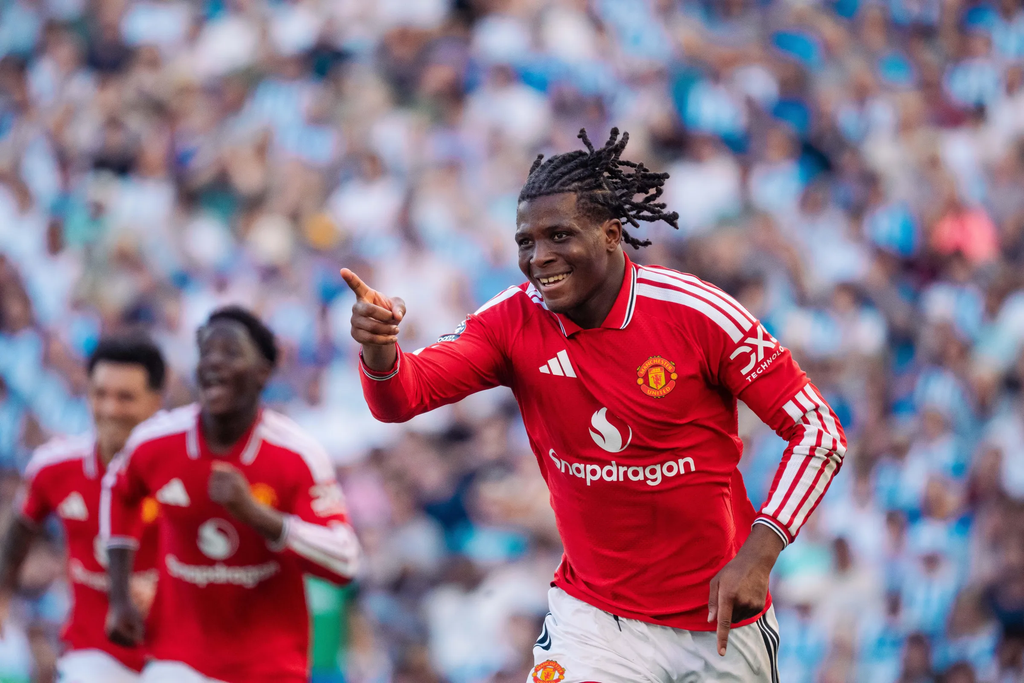
While Luke Shaw has history with Pochettino, having spent time as a young player at Southampton under the Argentine, his time at Old Trafford looks to be coming to a close. Given the club’s continual cash flow woes, Dorgu offers a viable internal option to make use of at left back without having to enter the market for a costly alternative. Despite his limitations, and with proper guidance, the 22-year-old could develop into one of United’s more important players in Pochettino’s aggressive setup.
The benefit of a proper coaching environment
Pochettino’s arrival would represent another significant change in direction for a club that has spent far too long searching for a consistent identity. His methods are highly demanding, and there will undoubtedly be players who struggle to adapt to the physical and tactical requirements of his football. It’s crucial that United are prepared to shift on players who no longer warrant their stay at Old Trafford, rather than allowing players to stagnate and their market values to decline, as has happened too often in recent years.
Countless times over the years United have signed players with real promise who were never given the opportunity or the necessary coaching environment to realise their potential. At a club desperately searching for direction, Pochettino’s ability to give players a clear purpose and make them believe in a collective project could prove just as important as the finer tactical minutiae.