All too familiar to Manchester United and its supporters is the point in a manager’s tenure at which the players have given up on their boss. The phrase ‘downed tools’ is often bandied around when an unmistakable apathy sets into a dressing room, characterised by uninspiring performances that point towards only one thing – change in the dugout.
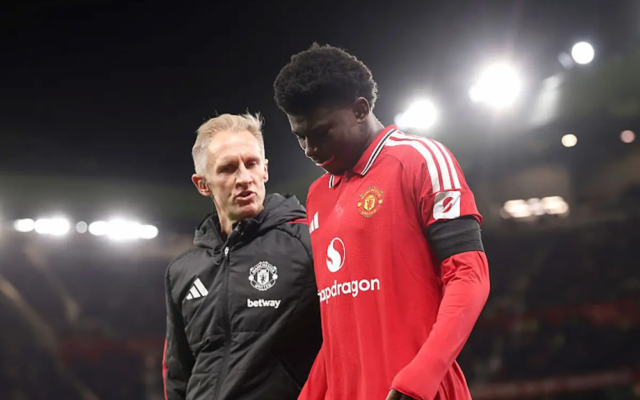
Sunday’s 4-4 epic at Old Trafford looked anything but that, with players still willing to die for their head coach as they fought from two goals behind twice to snatch a point from an otherwise calamitous outing. The resilience displayed by United’s players poses a dilemma to United’s senior decision-makers.
Manchester United’s form is worthy of the sack, without question, and regardless of context, any manager who oversees a United side that sits in the relegation zone in November should have cause for worry about their job security. Just one league win all season is the fewest of any side in the division, compounded by having conceded the joint-most of any team in Europe’s top five leagues.
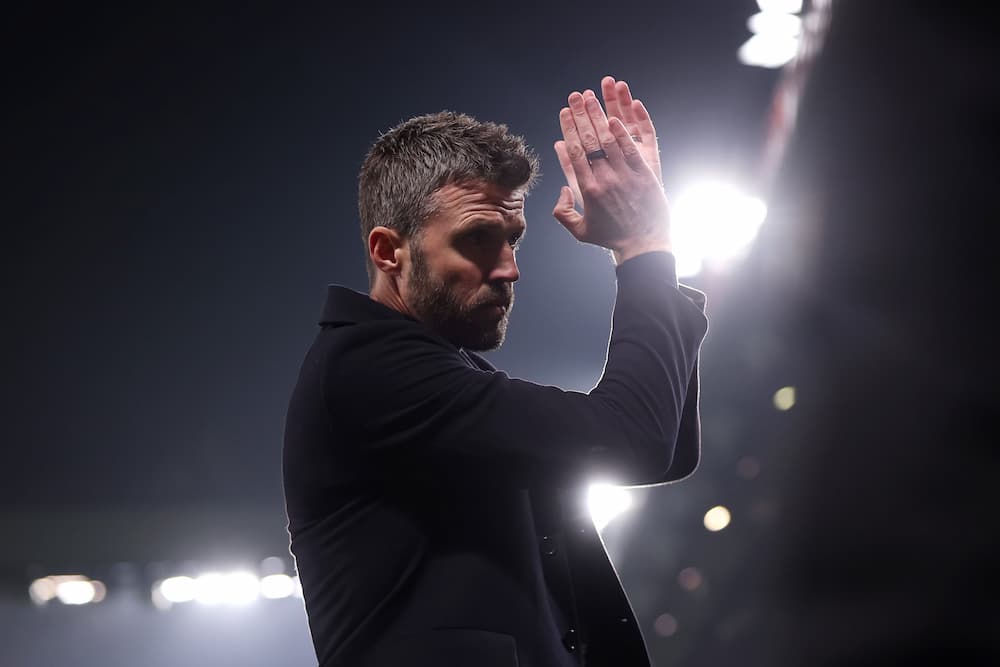
And despite these facts, which in any other case would lead anyone to think Carrick’s sacking was the only reasonable conclusion, there remains an element of scepticism that his dismissal is imminent.

The easy assumption to make is that a new head coach would inevitably bring about an upswing in form, but the past warns against being so sure of that. Ruben Amorim was perhaps the first of Manchester United’s managers since the departure of Sir Alex Ferguson to have enjoyed no apparent ‘manager-bounce’ whatsoever. A change in the dugout is no guarantee of an improvement on the pitch, particularly at a club where managerial turnover has so frequently failed to address the underlying problems.
Tottenham, who of the traditional big six teams find themselves most aligned with United’s woes in recent years, offer a cautionary example of the risks involved in pulling the trigger on a manager without a clear succession plan. Thomas Frank was dismissed last season after winning just 13 of his 38 matches in charge, as Spurs sat 16th in the Premier League, just five points above the relegation zone.
His replacement, Igor Tudor, fared even worse, failing to win any of his seven league matches before departing after just 44 days. Roberto De Zerbi was then brought in as the club’s third head coach of the season as a solution for the long-haul, though he hasn’t managed noticeably better, and in fact has seen his side’s points per game drop even lower since spending over £300 million in the summer transfer window.
The fact that the players remain fond of Carrick, and seem to continue to buy into his ideas, however effective, only increases the risk of their reaction to a managerial change leading to worse results, not better. That is not to suggest that a manager’s popularity in the dressing room should outweigh the need for results, nor that Carrick should be afforded indefinite protection from the consequences of his team’s performances.
INEOS are gambling an entire season to avoid having to make a difficult decision. It’s well known that their most desired targets, the likes of Fabian Hürzeler, Cesc Fàbregas and Unai Emery, would all be highly unlikely to leave their projects mid-season for a faltering United. The more immediately attainable options, in Eddie Howe, Julian Nagelsmann or Antonio Conte, appear to appeal less to the Old Trafford leadership.

There is a strong and convincing argument for being selective about such an important appointment. United have endured enough managerial missteps to know that another hurried permanent decision could simply extend the cycle of failure. But conviction about the identity of a preferred candidate cannot become an excuse for paralysis while results continue to spiral. After all, it’s the hard decisions those in positions of power at Old Trafford are paid so handsomely to make.
Myriad excuses were made in the summer transfer window for the constricted budget United were working with, which led to an underwhelming haul of three midfielders, no back-up striker, no centre-backs and no left-back. The most reliable form of financial sustenance in modern football is performance on the pitch, though remarkably this truth continually manages to evade the Glazers and now INEOS.

In a financial landscape where one position higher or lower in the final table makes for a multi-million-pound difference in broadcasting revenues, INEOS cannot afford to cite financial constraints for a lack of spending while actively undermining performance on the pitch. The irony is that the club’s financial limitations make a successful league campaign more important than ever, yet its reluctance to make a decisive managerial change risks jeopardising precisely the revenues it is so desperate to protect. The potential cost of another disastrous season could far outweigh the financial implications of making a change in the dugout.
For INEOS to have a strong degree of conviction about the names they really want in the dugout at Old Trafford is commendable, but that selectiveness cannot be an excuse for paralysis while results continue to spiral. Nor can the club afford to overlook the wider consequences of a season spent languishing near the bottom of the table, with the financial and reputational damage that would inevitably follow.
Of course, the sensible solution to making a change now, without forfeiting the opportunity to secure a dream managerial target later down the line, is to hire an interim coach until the season’s end, though there seems precious little support for this option at Old Trafford.
There is an understandable reluctance to go down the avenue of a makeshift boss for the remainder of the season. The interim route can be a double-edged sword for a team in United’s position.
Succeed in turning results around, à la Carrick and Solskjær, and you face an emotionally charged ultimatum over whether to stick or twist. Conversely, fail to find results, à la Rangnick, and you’ve thrown away a whole season without even laying the groundwork for a long-term managerial appointment.
It can be said, however, that in all three of those cases, United operated naively and emotionally, and in fact an interim manager can be an effective solution if handled correctly. It’s important that a number of conditions are set out prior to the appointment of a temporary boss, to avoid mistakes of the past being repeated.
Vitally, there must be a mutual understanding that a permanent decision will not be made based on results secured during the interim period. If the entire basis for a temporary appointment is to bridge the gap between now and when ideal permanent targets become available, then successful results cannot influence the decision-making process, as was the case with both Solskjær and Carrick’s permanent appointments.

The temporary manager’s remit must be clear from the outset: to stabilise performances, improve results and give United the best possible chance of salvaging the season, rather than to establish themselves as the next permanent incumbent.
There must also be a clear understanding that the interim appointment is not an opportunity to reshape the squad around an entirely new footballing philosophy. The priority should be to get the best out of the players already available, while allowing the club to conduct a proper and considered search for its next permanent manager. Without those parameters, United risk repeating the same cycle of emotional decision-making that has undermined previous appointments.
Whether United prefer a permanent change now, or a makeshift option ahead of an appointment next summer, now is the time for INEOS to finally show strength in a difficult moment, and make a tough decision that puts the club’s long-term prosperity ahead of their personal optics.

Michael Carrick, United legend though he is, cannot have his stay in the dugout lengthened any further. If Jason Wilcox and Omar Berrada are unwilling to make that decision, then neither is fit to hold the positions of responsibility they occupy at Old Trafford, and their continued leadership risks setting the club back years further than they likely already have.