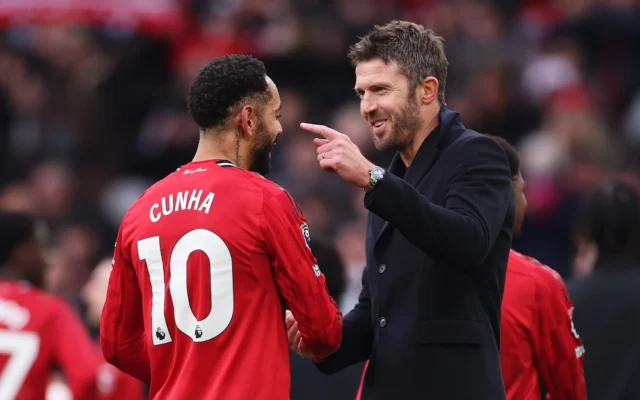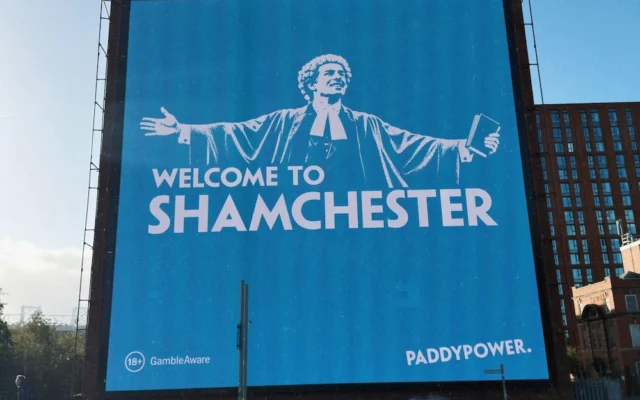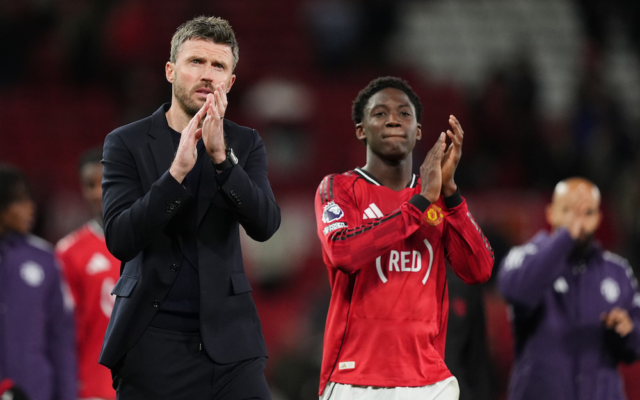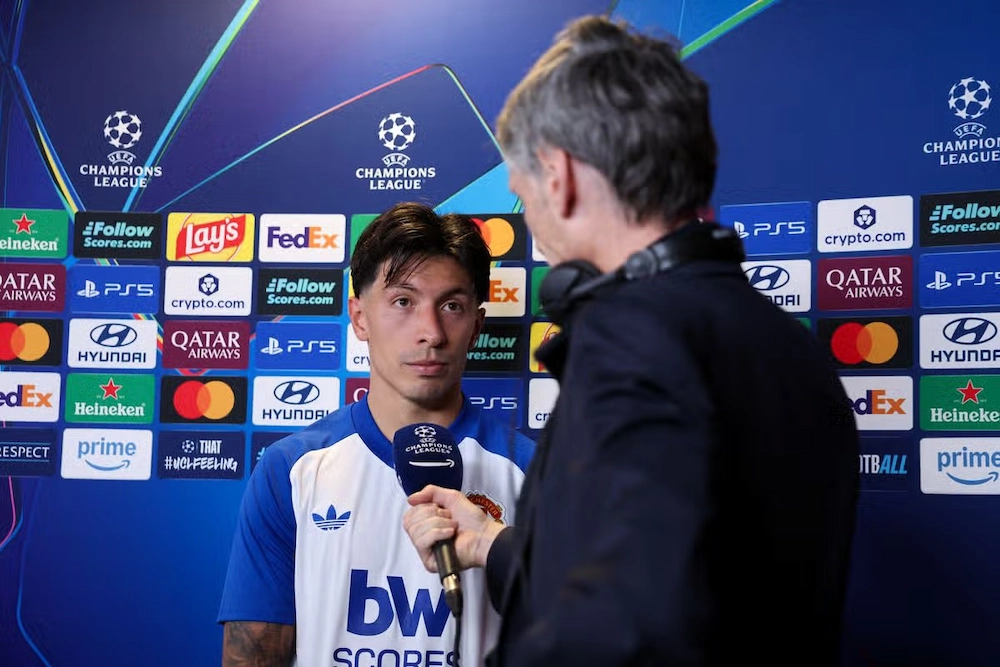
Lisandro Martinez’s explosive comments following Manchester United’s 2-0 defeat to Atletico Madrid were unprecedented, with the Argentinian defender publicly questioning the club’s senior leadership and the decisions made which he suggested have left Michael Carrick struggling to compete.
Martinez has since issued a public apology, acknowledging that the timing and manner of his remarks were inappropriate. But while the apology may have helped ease tensions within the club, it does little to address the questions which prompted his comments in the first place.
It is unlikely that his teammates will publicly rally behind him and echo the same sentiments, but frustrations over United’s recruitment and the lack of support afforded to Carrick in the summer transfer window extend beyond the vocal Argentine.
Martinez may have been the one to say it, but the underlying concerns are shared by the overwhelming majority of United fans who have witnessed the continual decay of their beloved club over the last two decades. To many, his words are long overdue, and break an infuriating silence from those within the club on the way things are run, and the overarching lack of investment or ambition from the Glazers and INEOS.
The reaction from former professionals, especially those with historic ties to Manchester United, has largely missed the point Martinez was trying to make, with much of the discussion from the likes of Gary Neville, Wayne Rooney, and Jamie Carragher centring on whether Martinez was right to speak publicly, judging that his comments read as a disrespectful slight on his teammates.
In doing so, they disregard the courage shown to speak outwardly and directly about something for which they themselves have criticised United’s owners for years.

In focusing so heavily on the manner in which Martinez expressed himself, those pundits and others who rebuke his comments have largely overlooked the substance of his argument.
He was not suggesting that his teammates were blameless for United’s poor results, nor was he needlessly directly digging out those around him. His criticism was directed towards those responsible for assembling the squad and the decisions which have left Carrick without the resources required to compete consistently.
To intentionally misinterpret his frustrations is to take the side of owners who consistently fail to steer the club in the right direction, withholding the financial investment, time, and care needed to give the club a fighting chance against the best teams in England and Europe.
Player power
Players have previously confronted senior club leaders internally, most notably in the fallout from the failed European Super League project in 2021, spearheaded at United by then executive vice-chairman Ed Woodward.
The controversial plan to establish a breakaway European competition was met with forceful opposition from senior United players, including Harry Maguire, Luke Shaw and Bruno Fernandes. Their objections reflected the anger surrounding a decision taken by the club’s leadership with little regard for supporters, player welfare, or the wider football community.
Woodward subsequently announced his departure, although it would be difficult to attribute that outcome solely to the players’ opposition. Nevertheless, the episode demonstrated that those on the pitch are not necessarily willing to accept every decision made above them without question, and that they have the power to apply the pressure needed to provoke change at the top level when prepared to speak out.

Players are often expected to accept decisions made by senior executives, even when those decisions directly affect their ability to perform on the pitch and achieve career goals in the long term.
When recruitment leaves a squad short in key positions, it is the manager and players who are ultimately expected to answer for the results, and rarely those who have the power to change lower ranking personnel at their will.
Martinez has brought those frustrations into the public domain, making it more difficult for United’s leadership to avoid questions about the decisions being made behind the scenes, but it remains to be seen whether this debacle will have any meaningful impact on the job security of Jason Wilcox or his senior colleagues.
Sanctions and accountability
United should be able to recognise the distinction between a player criticising the club for the sake of it and a player raising legitimate concerns about its direction, particularly when the criticism concerns the decisions of those responsible for running the club.
To fine Martinez for his comments would be a mistake if the club believes that doing so is sufficient to address the situation. United have every right to expect professionalism from their players, and there is a reasonable argument that the timing and manner of his intervention were unhelpful.
When asked about Martinez’s interview outburst, Michael Carrick gave a clear indication that he considers the matter concluded.
“It’s done, really. He’s come out and acknowledged the situation. No drama for us as a group.”
United’s head coach was also asked whether Jason Wilcox should speak to the media more frequently about his decision-making process in light of Martinez’s comments. Carrick responded in an unsurprisingly reserved manner: “That’s not for me to say. I have no problem sitting here and leading the football club. I am happy to sit here and answer the questions.”
Jason Wilcox, United’s director of football, and those working alongside him should be prepared to answer questions about their work. Yet meaningful public scrutiny of the club’s senior football leadership has been conspicuously limited, particularly when results and performances have deteriorated. The last time Wilcox appeared in the public domain was in October 2025, fortuitously timed in the days following a rare third consecutive victory for United.

A well-run club, led by executives who consistently make sound decisions, should have little reason to fear facing the media and explaining its approach. Transparency does not require every internal discussion to be made public, but it does require those in senior positions to explain the principles behind their decisions and accept responsibility when those decisions fail to deliver results.
Manchester City, despite their years of cheating and financial breaches recently uncovered, lead as an example of how transparent communication around transfer strategy and decision making should look in practice. At the close of the summer transfer window, they published reviews of their recruitment through director of football Hugo Viana, discussing the reasoning behind decisions made in the transfer market in a two part YouTube series.

Transfer business, managerial appointments and the wider direction of the club are all subjects in which supporters have a legitimate interest. Explaining those decisions does not guarantee support or universal agreement, but it does the bare minimum courtesy of providing a basis on which the club’s thinking can be evaluated, rather than leaving loyal and invested fans in the dark.
United’s reluctance to offer the same level of explanation has only increased frustration. In the absence of regular communication from those at the top, managers and players are repeatedly left to answer questions about problems which extend beyond the pitch and which they have limited power to resolve.
What happened to ‘best in class’?
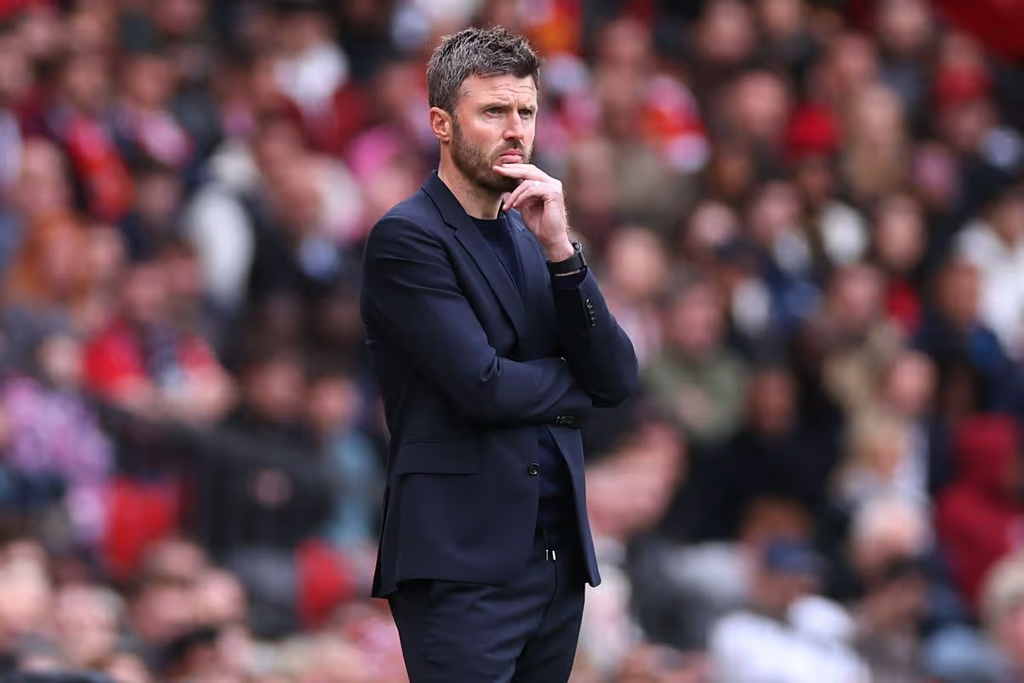
Perhaps the most concerning aspect of Martinez’s comments is what they reveal about the position in which Michael Carrick has been placed. United’s results have deteriorated, performances have become increasingly difficult to defend, and questions over the manager’s future are once again beginning to dominate the conversation surrounding the club.
It feels increasingly inevitable that Carrick will be replaced in the coming weeks or months barring a dramatic turnaround.
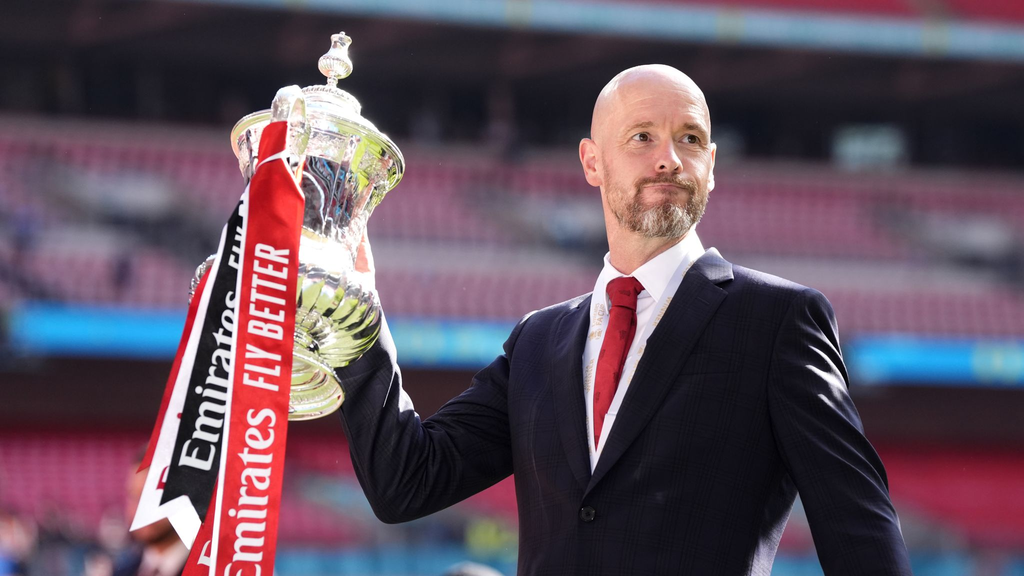
A manager can only do so much with the squad available to him. As Erik Ten Hag famously said, “A coach cannot perform magic”. If the club’s recruitment has left key positions inadequately covered, or if the options available to Carrick fall short of what is required to compete with the best teams in England, then those responsible for assembling the squad must also answer for the consequences.
Jason Wilcox and those working alongside him were entrusted with improving the club’s footballing operation, establishing a more coherent recruitment strategy and providing the manager with a squad capable of competing consistently, and so if Carrick is ultimately dismissed, it is only right that their work is subjected to the same scrutiny.
Wilcox cannot be held responsible for every poor performance or every decision made on the pitch, but equally his position cannot be treated as separate from the results produced by the squad he has helped assemble.

Sir Jim Ratcliffe and INEOS continue to insist on their ‘best-in-class’ mantra when it comes to headhunting senior leadership talent, but there is little point in establishing a supposedly improved football structure if its key figures are permitted to continue without meaningful accountability when the strategy fails to deliver.