

When The Office burst onto our screens in 2001, it almost reinvented the sitcom. Mockumentaries had existed for decades, but David Brent gave the format a tragicomic figure who was both unbearable and oddly sympathetic.
Brent was embarrassing, cringeworthy and egotistical, yet it was hard to truly dislike him. Beneath all the self-regard was a man standing in front of his co-workers, asking them to love him.
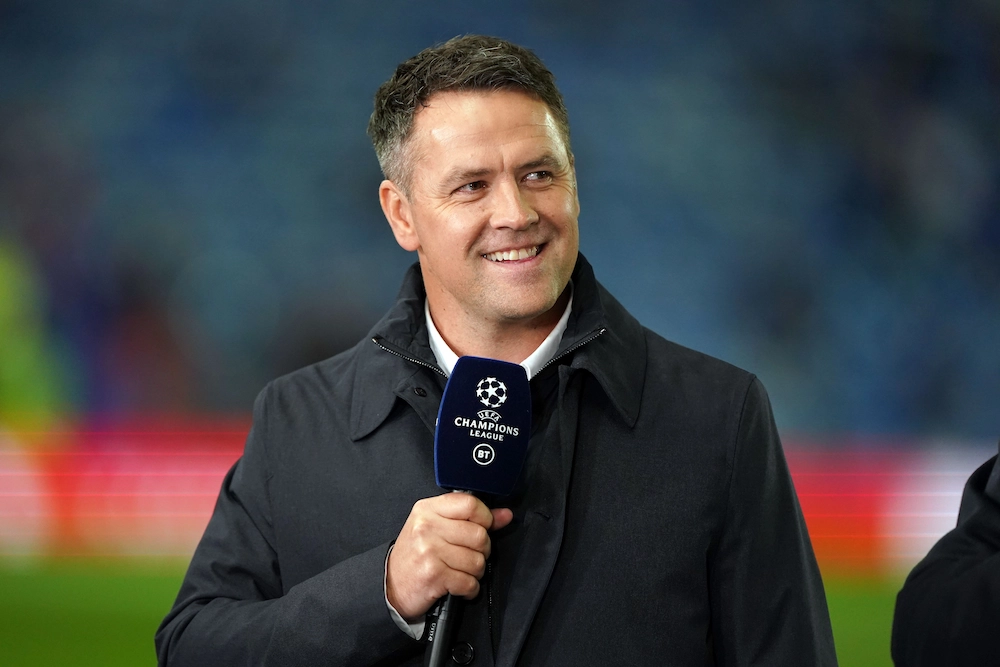
Michael Owen’s new venture comes after a glittering football career and an almost as glittering second act in horse racing. Meet the Owens sees him dip his toes into reality television, and the comparisons with Brent are obvious.
Love Island and Manor House Stables
Owen is no stranger to reality TV. His daughter did what many famous fathers must fear when she appeared on Love Island several years ago.
“Hi Dad, guess what? I’m going to be on the telly.”
“Really? That’s great. What are you doing?”
“Well, you know that show where loads of people argue with each other between shagging? Yeah, that one.”
Owen probably felt worse than he did the time he was forced to watch a film on a long-haul flight.
In Gemma Owen’s defence, her appearance on Love Island was inoffensive and, dare I say, mundane. She did nothing to embarrass herself or her famous dad. Her ex-boyfriend and one or two others who appeared in the same series came across far worse than she did. Yes, I was sad enough to watch it.
Michael was probably relieved that he didn’t face even more merciless trolling after her appearance on a show that generates industrial quantities of social-media abuse.
Michael Owen, Walking Meme
To be fair, Owen needs no help on that front. Since hanging up his boots, he has become a walking meme. The sad part is that much of it comes from television appearances and adverts he filmed when he was still in his teens.
Since I began writing this article, Owen has appeared in a cringeworthy trading-app advert that is as abominable as anything he filmed during his playing career. FFS, Michael.
Sayings such as “Well done, he’s 13” have entered the millennial zeitgeist. You probably know at least one person who has Googled “Michael Owen helicopter” and then collapsed from either laughter or second-hand embarrassment.
Owen was once among world football’s leading stars, a teenager with the world at his feet. As he explains in the series, he probably said yes to one offer too many. Those decisions created a digital footprint that has turned him into a byword for cringe almost 30 years later.
A Legend Without Legendary Status
Owen was far more than a good player who did quite well. He won the Ballon d’Or in 2001, becoming the fourth and most recent Englishman to receive it. He scored one of England’s most iconic goals, won major trophies at Liverpool and a Premier League title at Manchester United, and represented Liverpool, Real Madrid and United.
He is far more than “Gemma from Love Island’s dad”.
Owen is a legend without legendary status, an icon without adulation. He occupies a unique place in football. His talent and achievements should have earned respect and admiration, yet they often seem to have produced neither.
Many Liverpool fans still haven’t forgiven him for joining Manchester United, even though the move came via Real Madrid and Newcastle. Geordies blame him for costing too much, spending too long injured and being part of a squad that was relegated when he was supposed to spearhead a challenge near the top of the table.
United and Real Madrid supporters have less anger towards Owen, although perhaps less emotion of any kind. At United, he won a Premier League title and scored one of the most memorable Manchester derby goals ever without fully seeming like he belonged. At Madrid, his 13 league goals during his only season represented a respectable return, although he left without a trophy as Real finished second in La Liga.
Both clubs have an embarrassment of riches when it comes to legends and title winners. Owen’s solitary league title at United was unlikely to earn him lasting adulation, especially when his post-playing career has shown so little affection for the club.
Owen One, Gerrard Nil
As a United fan, I put this to Owen face-to-face as part of the type of debate series that has become a staple of YouTube. You know the format: a liberal commentator faces 20 MAGA conservatives, or an ex-footballer from Chester goes up against a group of middle-aged fans demanding to know why he missed that sitter at Villa Park.
I wasn’t angry with Owen. Unlike Liverpool and Newcastle supporters, I couldn’t identify anything remotely egregious about his time at United. My main line of attack, and I use the term loosely, was that he showed little love for United as a commentator.
He didn’t even celebrate when Marcus Rashford scored the winner in Paris to send us into the Champions League quarter-finals. A truly memorable moment was met with complete apathy.
Owen defended himself by saying he never celebrated goals while watching football. The internet promptly mobilised and found clips of him celebrating Liverpool goals while on punditry duty.
In many ways, you could sympathise with him. His best performances came in a Liverpool shirt. He won most of his trophies there, collected his Ballon d’Or while at the club and remains ninth on its list of all-time leading scorers. Liverpool supporters still don’t like him.
As I reminded him, he also won a Premier League title with us at a time when Liverpool had yet to win one. The “Owen one, Gerrard nil” chants wrote themselves.
Owen almost returned to Liverpool after his spell at Real Madrid, and he probably wishes he had. Perhaps he would have been welcomed back as the prodigal son, a latter-day Ian Rush. Who knows, he might even have helped get them over the line in the 2008/09 title race.
Instead, he joined United after we had beaten Rafa Benítez’s side to the trophy and broken both Scouse hearts and Rafa’s sanity.
The Michael Owen Rehabilitation Project
Meet the Owens often comes across as a mixture of an explanation for past mistakes and an attempt to present Owen as a likeable chap. It tries to move him beyond the bland label attached to a man whose story about throwing an apple core into a bin made many of us want to put our heads into one.
I’ll be honest: I enjoyed chatting to Owen during the short time I spent with him. Off camera, he was friendly, insightful and had time for everyone, which is more than I can say for some ex-players on a shoot.
I left filming thinking I had been wrong to label him a “boring bastard lacking any form of self-awareness”. I may even have deleted a few old tweets carrying that accusation.
People say you should never meet your heroes. In my limited experience, meeting players you disliked can be more disorientating. I despised Neil Ruddock as a player, especially after his tackle left my beloved Andy Cole with two broken legs. By the end of a day’s filming together, we had exchanged numbers. I even felt sorry for him when he explained how he had struggled to tell his family in the Wembley stands that he had been dropped for the FA Cup final.
Meeting Owen showed me that he can be personable and gregarious. Perhaps that explains the decision to let cameras into the family home and show viewers a side of him beyond the beige tweets and passionless punditry.
More David Brent Than Ricky Gervais
As I had met Owen and liked him, I decided to give the series a go. It was worth it. Almost.
Owen comes across as more David Brent than Ricky Gervais ever managed. He cracks cringeworthy dad jokes at bemused strangers and even delivers the immortal line “he’ll get my humour” to an awkward sound engineer after jokingly calling the film crew “knobs”.

Brent’s dance would have made a cracking goal celebration
I half expected his next piece to camera to note: “There goes Michael Owen. I must remember to thank him.”
Once the Brent-isms wear off, however, there isn’t enough to keep you engrossed. I stopped caring whether Gemma’s move from dressage into horse racing would succeed, or whether Michael had spread too much Dairylea on his toast, as debated in the Owens’ kitchen.
These may be the burning issues keeping the Owen family awake at night. The trouble is they’re putting the rest of us to sleep.
Owen isn’t unlikeable, and his family can be relatable at times, even if few viewers have a stable full of horses and a mansion to call home. The series keeps returning to the peculiar position he has occupied throughout much of his football life: accepted rather than respected, tolerated rather than revered.
David Brent craved stardom and love. Michael Owen already has the stardom; the love has proved harder to find. Meet the Owens gives him several hours to change that. Unfortunately for him, too little happens once the awkward jokes have run out.


