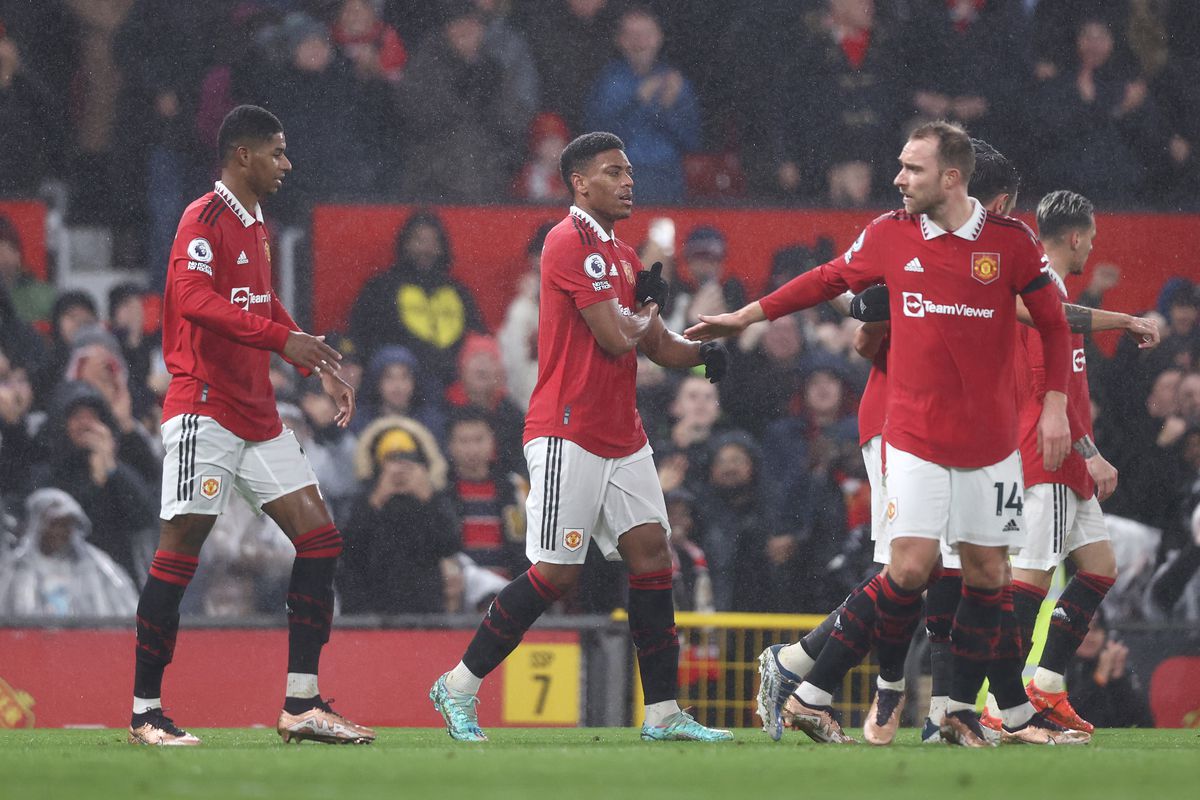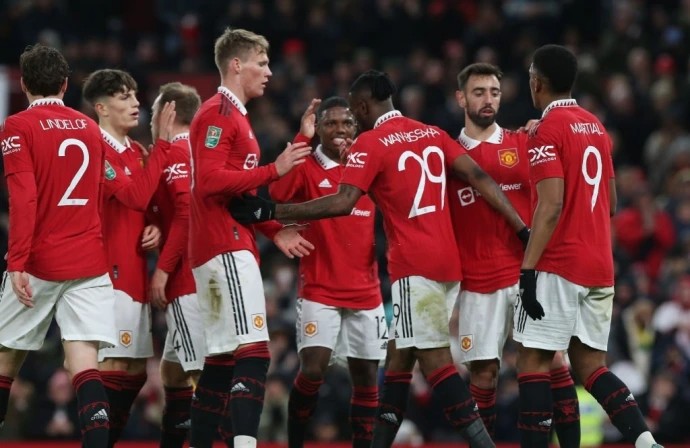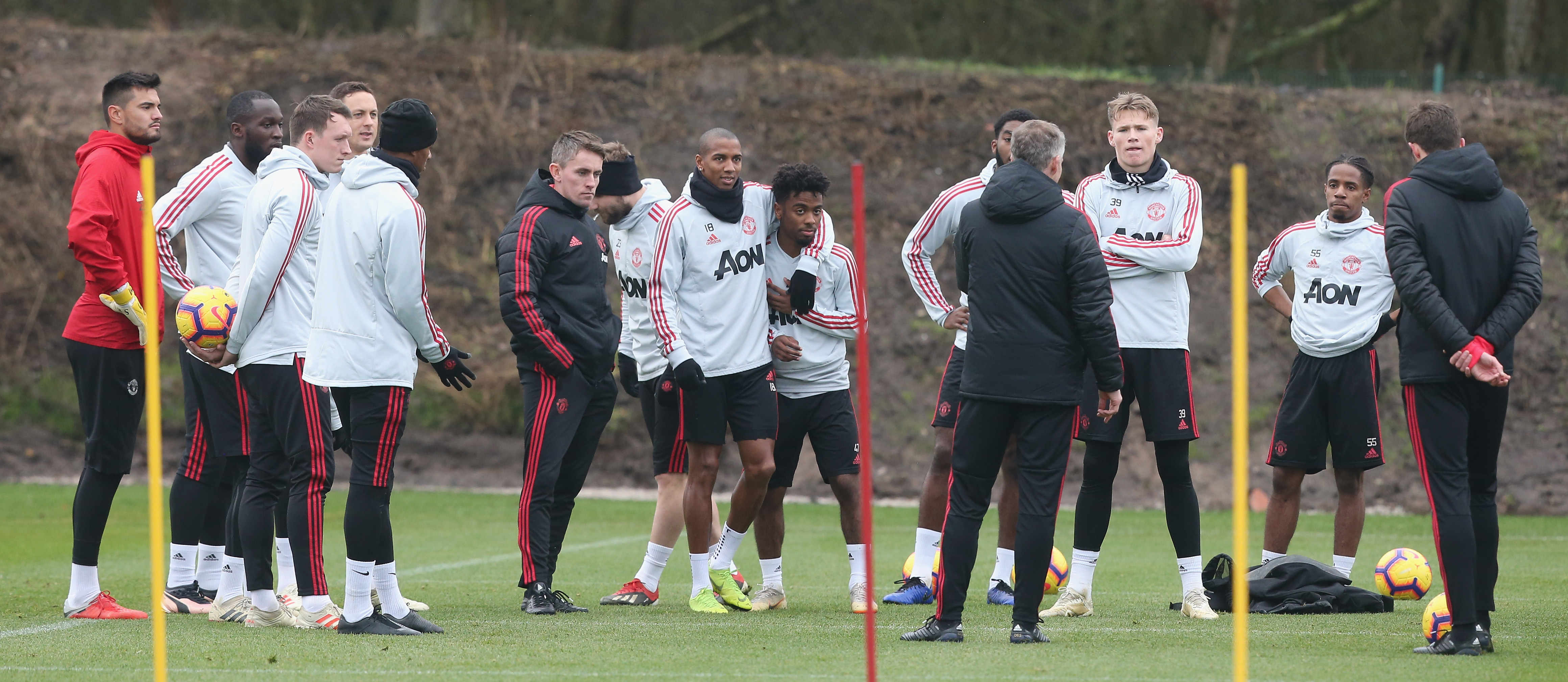
Ole Gunnar Solskjær’s tactical nous has constantly been questioned since he was appointed manager of Manchester United. The timing of his substitutions and lack of a “plan B” has been frustrating at times, but one of his wiser decisions this season has been to opt for a 3-5-2 formation in bigger games. It was against Liverpool in October where the formation was first showcased with success. United shut out a front 3 of Divock Origi, Roberto Firmino, and Saido Mané to earn a very creditable draw. An 85th minute Adam Lallana equalizer was all that denied United the 3 points. This is the only game to date in Liverpool’s season where they have dropped points, which is credit to how Solskjær set up his side.
Louis van Gaal’s 3-5-2 was dreadful; there was no flow or fluidity to the play and it led to some of the least exciting United games in recent memory. Whereas now, Solskjær’s formation looks dangerous on the counter and compact in defense. Defensively the favoured 4-2-3-1 can become exposed especially when the two full-backs are given license to get forward. This leaves Victor Lindelöf and Harry Maguire with too much ground to cover. Wide gaps have appeared between the two centre-backs during the season which has led to preventable goals.
The 3-5-2 – which turns into a 5-3-2 in defense – provides suitable cover. In the Liverpool game, Trent Alexander-Arnold and Andy Robertson were nullified, which was crucial, as the pair provide such consistent outlets from wing-back. Some teams don’t have the right personnel to play the 3-5-2 but since strengthening defensively in the summer, Manchester United look to have the right balance needed when the squad is fully fit.
Playing five at the back always allows a team to have an extra defender. This spare player can be key in breaking down the opponent’s attacks. Something Solskjær hasn’t tried is using Aaron Wan-Bissaka as that free man. The right-back has been a standout performer this season, but his glowing performances have come mainly in a defensive capacity. He is still young and needs to fine-tune his attacking play but defensively is arguably the best in the league in his position. Luke Shaw and Phil Jones have been used as third center-backs during games and have never looked convincing. Wan-Bissaka would excel in this role due to his speed, awareness and tackling ability. With Diogo Dalot coming back to full fitness it would be an interesting experiment to play the Portuguese at right wing-back with Wan-Bissaka on the inside of him. Solskjær will face another dilemma when Axel Tuanzebe is back in the fold as he is too talented to be sitting on the bench. Fans have suggested he should be Maguire’s long term partner in the heart of defence, but he could also slot into a three at the back and will provide more selection headaches for the manager.
In Brandon Williams and Dalot United possess exciting young wing-backs who can defend, but also fly forward. Dalot looks more and more like a winger with every game. His pace, crossing ability and skillful dribbling shoehorn him into the right wing-back position when fully fit. Williams is a better-rounded player and in his breakout season has shown very few flaws. His work rate and composure have stood out and he has easily moved ahead of Luke Shaw in the pecking order for the left-back slot.
The attacking half of the formation is where some tinkering can be done. Solskjær likes the 4-2-3-1 because of the cover the midfield can offer in defence. Fred and Nemanja Matić / Scott McTominay have been used here over the course of the season and before McTominay’s injury, he and Fred looked to be building a dynamic partnership. The Brazilian is used as the more attack-minded of the two and excels when he is given time and space to pick a forward pass. With the addition of Bruno Fernandes in January, United now have a playmaker who can help link the midfield with the attack. I can see him being used as a central attacking midfielder alongside the more compact Fred and McTominay in either the 4-2-3-1 or a 3-5-2 (which will look more like a 3-4-1-2 in some cases).
Due to the lack of conventional wingers in a 3-5-2, United need pace up front in order to counter-attack and this is where Marcus Rashford and Anthony Martial feature. The two forwards have divided opinion for a while over whether they play better from the wings, but in the 3-5-2 they can play off each other. Martial has played well with his back to goal this season and has added physicality to his game. Rashford has been sharp, confident, and is a player who produces match-winning moments. To have both of them up front would surely guarantee goals for Solskjær.
The 3-5-2 has definite advantages but also some drawbacks, these are highlighted below.
- Adjustable to different tempos and play styles.
- It creates more attacking options from midfield.
- The midfield can control a game by combining with strikers and creating diamonds.
- Wing-backs provide the width and add a dynamic approach in attack if found from a diagonal ball.
- Wing-backs create space for the midfield to dictate play and enhance creativity.
- Centre-backs must be well rounded. They need pace, to be good dribblers, strong in the air and be able to play out from the back.
- It can be difficult to man-mark players. If players don’t have experience operating as a 3 at the back, they could be positionally exposed. It must be perfected before being deployed.
- If the wing-backs are caught out in attack, holes can be found and exploited. They must have a good work rate and stamina to last 90+ minutes.
- Susceptible to the counter if over-committed in the attack.
If Solskjær has coached his players and perfected the 3-5-2 then it could be the answer to United’s problems going forward. It’s flexible, adaptable and allows young, modern-day wing-backs to showcase their attacking talent. As a centre-back, the formation shift could be daunting. If you aren’t comfortable on the ball it could be tough, as the days of the old-school, hard-tackling defenders seem to be numbered. If the 3-5-2 is deployed with success it could be a dominant formation in the future and one supporters could see during the next few years at Old Trafford.